Learning Finance While Studying at a Liberal Arts College
Students attending liberal arts colleges often develop a curiosity about financial markets through courses in economics, mathematics, history, or political science.
While liberal arts institutions provide strong analytical training, they may offer fewer opportunities to gain direct exposure to the world of investing and financial markets before graduation.
For students who are interested in finance but pursuing a broader academic curriculum, gaining exposure to investing can be an important complement to their studies.
Understanding how capital is allocated, how companies are evaluated, and how markets respond to economic forces provides valuable perspective across many disciplines.
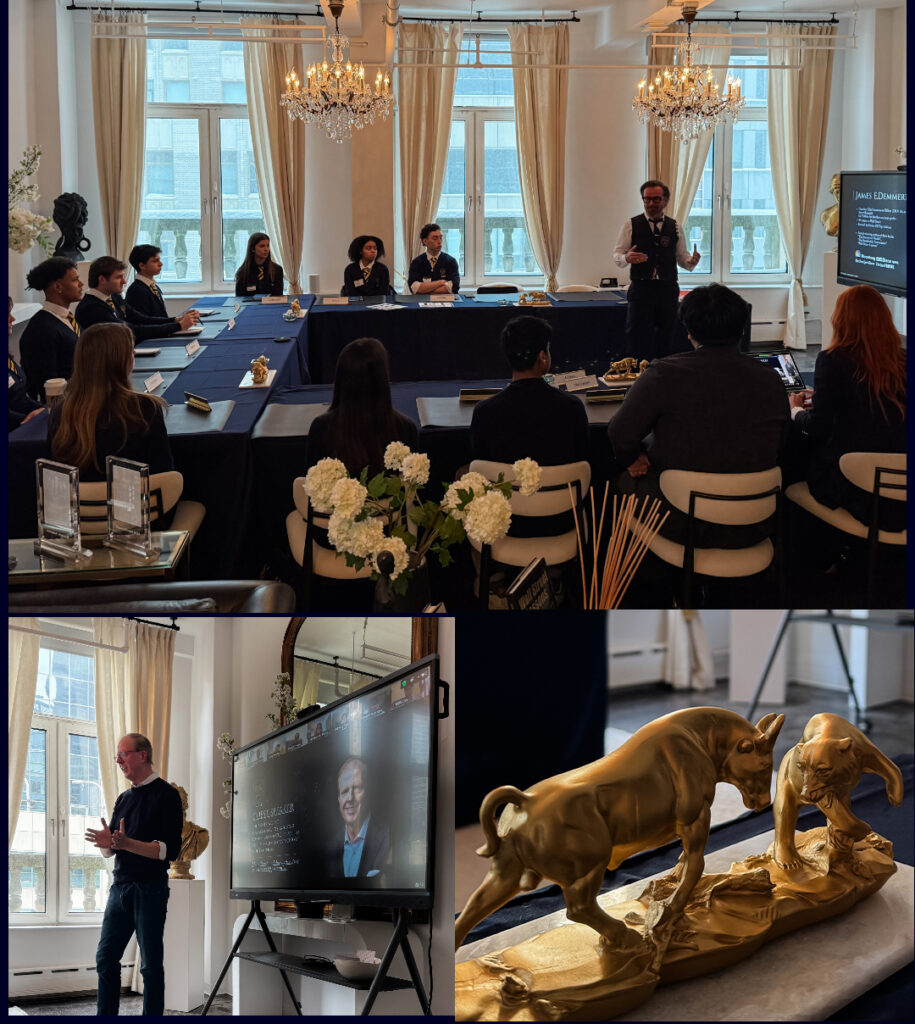
Programs such as the Wall Street Master Class®, offered through The Academy of Finance® in New York, allow undergraduate students to explore financial markets while continuing their liberal arts education.
The program introduces students to:
Stock market fundamentals
Portfolio management strategies
Economic cycles and market behavior
Long term wealth creation
For liberal arts students considering careers in finance, the experience can provide valuable clarity. Some discover a strong interest in investment management or financial markets, while others simply gain a deeper understanding of how the global economy operates.
Clarifying Your Direction and Building a Lifelong Skill
For many liberal arts students, exposure to finance serves as a moment of clarity. It allows them to better understand whether they wish to pursue a career in investing or financial markets, or whether their interests lie elsewhere. Just as importantly, the experience provides a framework that remains valuable regardless of the path chosen. Whether a student ultimately becomes a lawyer, a doctor, an entrepreneur, or enters public service, developing an understanding of investing fosters disciplined thinking, long term perspective, and financial independence. Learning how to allocate capital thoughtfully is not limited to a career in finance; it is a skill that shapes how one navigates opportunities, risks, and decisions throughout life.